- New
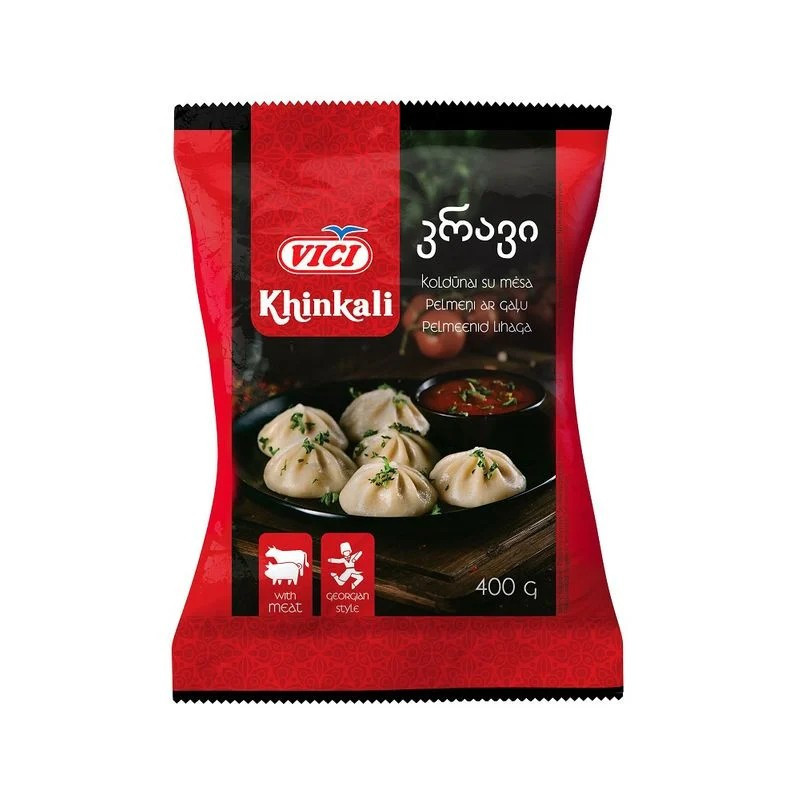
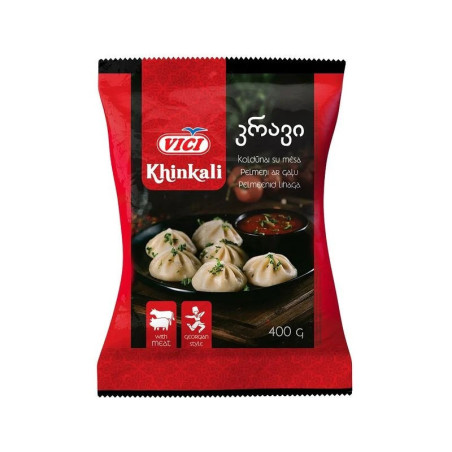


Khinkali (Georgian: ხინკალი) is a Georgian dish from the mountainous regions of Pshavi, Mtiuleti, and Khevsureti in Georgia, which has spread to other parts of the Caucasus and throughout the former USSR.
 Sicherheitsrichtlinien
(bearbeiten im Modul "Kundenvorteile")
Sicherheitsrichtlinien
(bearbeiten im Modul "Kundenvorteile")
 Lieferbedingungen
(bearbeiten im Modul "Kundenvorteile")
Lieferbedingungen
(bearbeiten im Modul "Kundenvorteile")
 Rückgabebedingungen
(bearbeiten im Modul "Kundenvorteile")
Rückgabebedingungen
(bearbeiten im Modul "Kundenvorteile")
An important element in creating khinkali is the shaping. Traditionally, Georgian chefs shape them so that a small "tail" of dough forms at the top. It's believed that khinkali should have at least 18 folds at the base (as you approach the tail). This makes them easy to hold, and the tail also cools faster. The undercooked tail is usually discarded (the tail is also a convenient way to keep track of how many khinkali you've eaten). The molded khinkali are either boiled in boiling water (the most common option) or fried. Some establishments offer both boiled and fried versions of each type of khinkali with different fillings.
A characteristic feature of the dish (especially the meat-filled version, and especially the boiled version) is the presence of a large amount of "juice" (essentially broth) inside each khinkali. As a result, the eating process becomes more difficult, and it is recommended to eat with your hands: using a fork and knife will prevent the juices from remaining inside the khinkali.
Specific References
No customer reviews for the moment.
Khinkali (Georgian: ხინკალი) is a Georgian dish from the mountainous regions of Pshavi, Mtiuleti, and Khevsureti in Georgia, which has spread to other parts of the Caucasus and throughout the former USSR.